Your cart is currently empty!
Category: Uncategorized
-

Lets Talk Stats…
Every region has different weather, terrain, and threats, but the human failure curve is identical everywhere. When things go bad, they go bad fast. Batteries die, water pressure drops, navigation errors multiply, and the body shuts down in the same sequence whether you’re in a jungle, desert, city, or alpine trail. That’s why survival isn’t built on optimism. It’s built on data. The numbers tell you how long you have, how far people usually get, and how quickly conditions erase your margin for error. Strip out the myths, the bravado, and the stories we tell ourselves. What’s left is the statistical truth of how people actually die, get lost, or get rescued. Learn it now while the lights are still on.
Disasters & Infrastructure
- 72 hours is the average threshold before cities worldwide lose basic stability after a major grid failure.
- 12–24 hours until most municipal water systems begin losing pressure without power.
- 24 hours is the typical backup runtime for telecom towers before battery depletion.
- 3 days for food supply chains to break once transport halts.
- 90 percent of hospital systems globally rely on constant power for life-support equipment.
- 70 percent of major cities have no backup plan for prolonged grid collapse.
Navigation & Getting Lost
- 90 percent of lost trekkers are found within 2 kilometers of the last known trail or landmark.
- 50 percent of people walk in circles under stress without navigational cues.
- 80–85 percent of search-and-rescue operations worldwide stem from simple navigation errors.
- 1 in 3 hikers globally carry no analogue navigation tools.
- 60 percent freeze in the first ten minutes after realizing they’re lost.
Water & Dehydration
- 24–36 hours without water begins cognitive decline in most climates.
- 10 percent dehydration causes a 25% drop in mental performance.
- Half the global population regularly functions in a mildly dehydrated state.
- 70 percent of people do not know how to purify water without commercial filters.
- Up to 80 percent of rural water sources worldwide contain organisms capable of causing illness if untreated.
Cold, Heat, & Exposure
- 10 minutes in 5–10°C water leads to loss of muscle control across all human populations.
- 20°C can still cause hypothermia with wind and wet clothing.
- Heatstroke can occur in 15 minutes in extreme humidity and 40°C heat.
- 40 km/h wind accelerates heat loss up to 10 times.
- Most exposure deaths occur during “mild” seasons when people underestimate conditions.
Fire & Survival Skills
- More than half of the global population cannot start a fire without matches or a lighter.
- Only a minority can identify dry tinder sources in wet environments.
- 3 minutes of panic or fine-motor loss can ruin fire-starting attempts in cold or rain.
- Less than 20 percent of travelers carry reliable ignition tools outdoors.
- 1 in 4 cannot sustain a fire beyond the first 10 minutes.
Medical Reality in the Field
- 40–60 percent of wilderness fatalities worldwide involve injuries that were treatable with basic first aid.
- 80 percent carry no trauma supplies during outdoor activities.
- 6 minutes is the window before airway swelling can obstruct breathing in severe allergic responses.
- 3–5 minutes without CPR drastically reduces survival.
- Two-thirds of people cannot correctly identify signs of shock.
Psychology, Panic, & Behavior
- 60–70 percent freeze when confronted with sudden threat or confusion.
- 10 percent remain fully calm under stress.
- 30 percent of survival incidents escalate because the victim chose inaction.
- Most drowning deaths happen within reach of safety because panic destroys coordination.
- The majority of people overestimate their ability to endure cold, heat, distance, or exertion.
Bottom Line
These stats aren’t regional.
They describe the human baseline everywhere.
If you don’t train past it, you sit inside it.
-
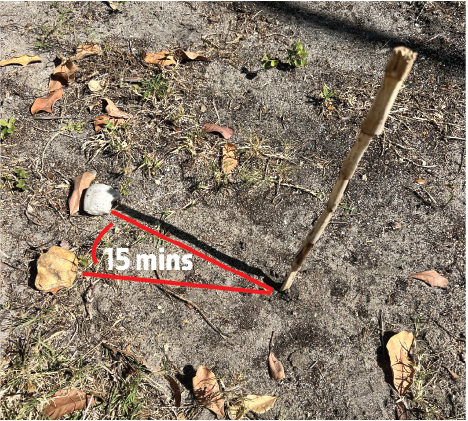
Navigation: Finding Your Way When the World Disappears
When the world goes quiet, your sense of direction becomes the difference between order and panic. Modern tools make travel easy, but when they fail, instinct and awareness must take over. Navigation is the art of knowing where you are, where you’re going, and how to get back when everything looks the same.
The Foundation of Direction
Navigation begins with understanding your environment, not memorizing tools. The sun rises in the east and sets in the west. Shadows shorten at midday. Moss grows on the shaded side of trees in most temperate forests. These clues work even when maps and compasses are gone. Observation is your first compass.
The Compass and the Map
A map shows you the terrain; a compass keeps you oriented through it. Used together, they form one of the most reliable survival systems ever made. Keep your compass flat, align north on the dial with the map’s north, and take bearings to identify landmarks. Recheck your heading often, especially in forests or storms where visibility fades. Trust your compass over your instincts when fatigue or emotion clouds judgment.
Celestial Guidance
At night, navigation doesn’t stop. The North Star, Polaris, marks true north in the Northern Hemisphere. In the Southern Hemisphere, the Southern Cross constellation points the way. During daylight, the sun’s arc can serve as a clock and a bearing guide. Learning to read the sky connects you to a system that never runs out of power.
Landmarks and Terrain Memory
Natural navigation relies on pattern recognition. Notice tree lines, rivers, and mountain ridges. Mark your path by memory or with subtle trail signs. In open terrain, use distant points to triangulate your position. If you return to a spot and nothing feels familiar, stop and recalibrate. Moving while disoriented wastes energy and increases risk.
Modern Redundancy
Technology is useful, but it should never replace awareness. GPS units and phones can fail from dead batteries, signal loss, or extreme cold. Always carry a compass and a physical map, and know how to read both. The best navigators combine digital precision with analog backup.
Final Thoughts
Getting lost doesn’t happen when the tools break. It happens when focus breaks. Navigation is awareness in motion, and awareness is survival. Lose your bearings, lose your life. Know your world, and you can always find your way back.
Ready to take survival beyond theory?
Explore the Beyond The Fall Survival Guide and exclusive field gear at our store. -
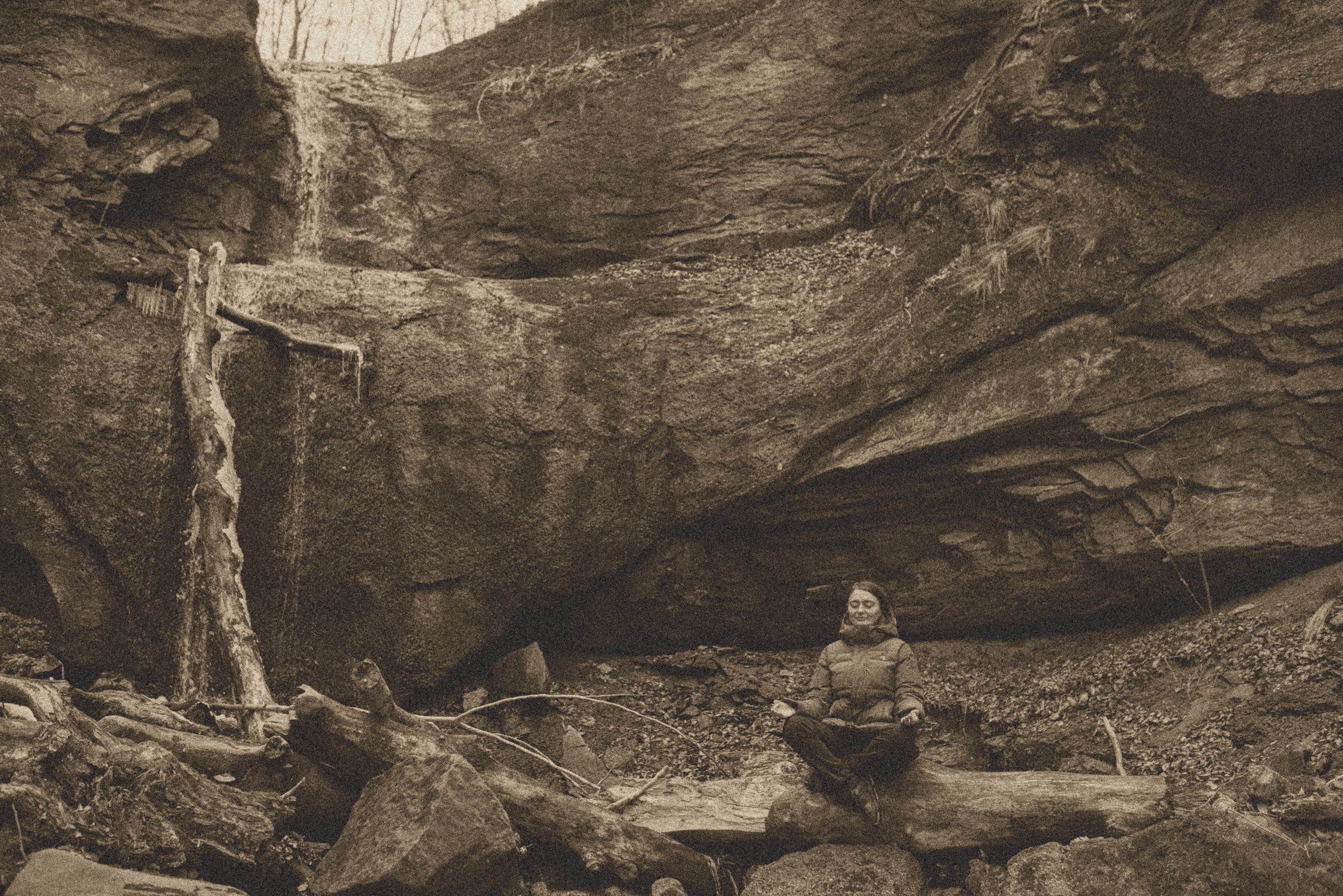
Mental Fortitude: The Psychology of Survival
When the wilderness takes away everything familiar, your mind becomes the final frontier. Gear breaks. Plans fail. People panic. What separates survivors from casualties is control. Survival begins and ends in the mind.
The First Battle: Panic vs. Presence
When danger hits, adrenaline floods your system. Your heart races, your vision narrows, and your thoughts scatter. The untrained panic; the prepared slow down. Breath becomes the anchor. A steady inhale cuts through chaos and reminds your body you’re still in command. The survivor’s rule is simple: think first, act second.
Fear as a Tool
Fear isn’t your enemy. It’s a signal, one of the oldest instincts humans have. It sharpens focus, prioritizes energy, and reveals risk. Left unchecked, it paralyzes. Controlled, it becomes instinct. The goal isn’t to erase fear but to master it.
The Breaking Point
Isolation, exhaustion, and hunger tear at mental armor faster than any storm. When the mind cracks, reason follows. Survivors who endure share a mindset: they see hardship as proof of endurance, not a sign of failure. Every moment survived becomes evidence that they can handle the next.
Mental Conditioning
You can train the mind for survival the same way you train the body.
- Controlled discomfort: Seek challenge before it finds you. Cold exposure, fasting, and endurance work build mental tolerance.
- Visualization: Rehearse success under pressure. Picture the sequence: problem → pause → adapt → resolve.
- Micro-goals: “Survive this hour.” Then the next. Mental endurance is built in moments, not miles.
Survival as Philosophy
Mental fortitude doesn’t end in the field. It’s a framework for any crisis, from wilderness isolation to personal loss. The same calm that keeps someone alive in a storm keeps a leader grounded in chaos.
Final Thoughts
Survival is not about defeating nature. It’s about mastering yourself. Terrain changes, threats shift, but the real battle is always internal. The toughest terrain you’ll ever cross is the one inside your head.
Ready to take survival beyond theory?
Explore the Beyond The Fall Survival Guide and exclusive field gear at our store. -
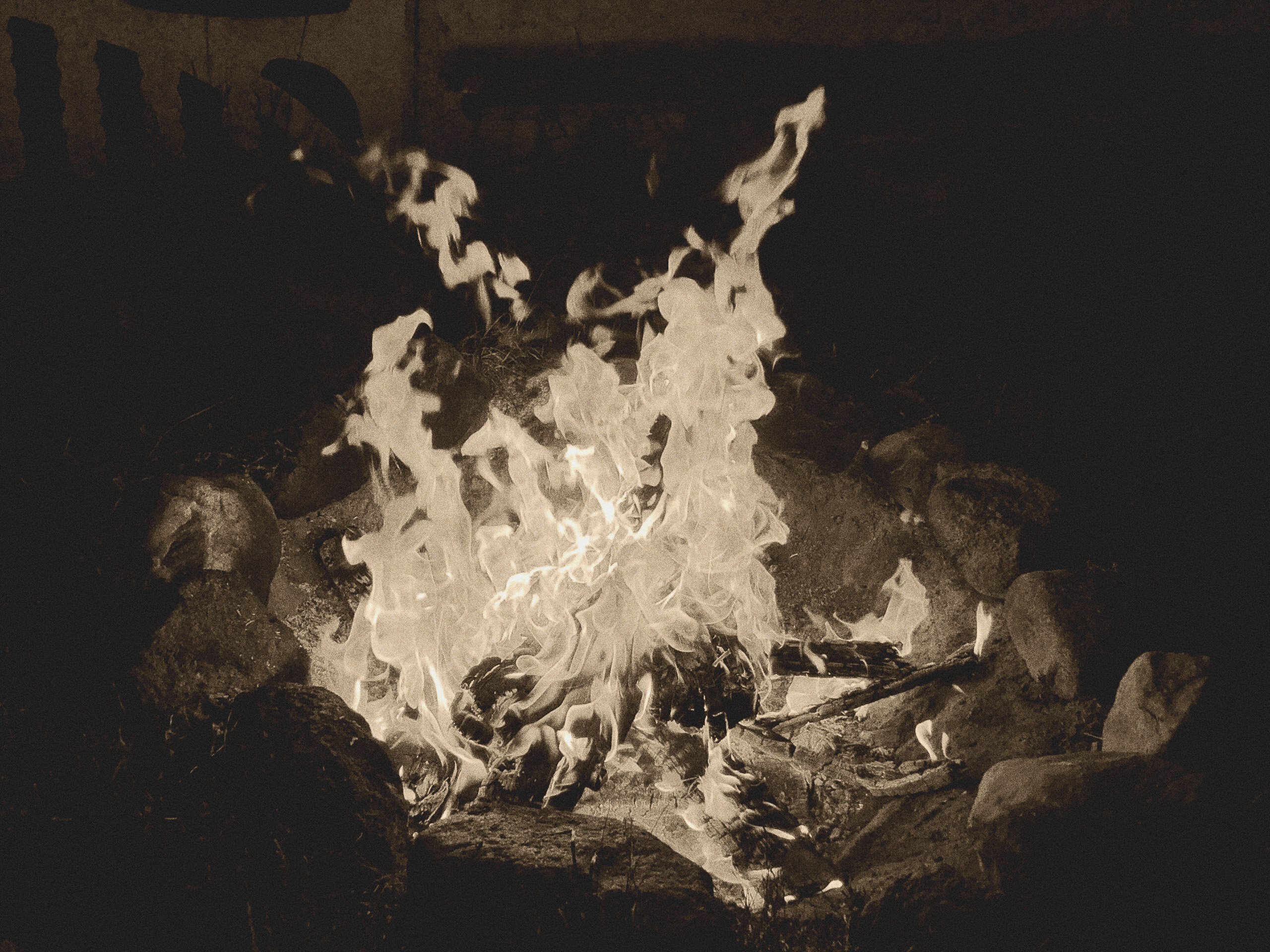
Firecraft: The Lost Art of Fire Mastery
The First Tool of Civilization
Fire is more than warmth, it’s the first technology humanity ever mastered. It’s what separated us from the dark, gave us cooked food, hardened weapons, and pushed predators back. In survival, fire is still the dividing line between comfort and collapse. You don’t just build a flame; you build control.
Understanding Fire Behavior
Every flame follows the same rules: heat, fuel, and oxygen. Remove one, and fire dies. That’s the fire triangle, the foundation of all firecraft. But mastery goes beyond starting a blaze; it’s knowing how to regulate it. Small, controlled fires save fuel, reduce smoke, and draw less attention when stealth matters.
Study your materials:
- Tinder: Dry grass, bark shavings, cattail fluff, or cotton with petroleum jelly.
- Kindling: Small twigs, pine needles, or split sticks.
- Fuel: Logs or dense wood – dry, seasoned, and airflow-spaced.
Never rush. The wrong fuel or impatience burns energy and morale faster than wood.
Primitive Ignition Methods
Modern tools make it easy, but true survivalists know redundancy. Always carry a lighter, ferro rod, and waterproof matches, but learn the old ways too.
- Friction: Bow drill or hand drill – skill-based but reliable.
- Spark: Flint and steel or ferrocerium rods.
- Lens: Magnifying glass or ice lens under full sun.
- Chemical: Potassium permanganate and glycerin (advanced, not field casual).
Each method teaches respect for preparation, patience, and practice. In rain, in wind, in panic, fire rewards the calm and punishes the careless.
Environmental Firecraft
The landscape dictates your strategy.
- Wet Conditions: Split logs, dry the inner core, and build a platform base.
- Windy Terrains: Use barriers and dig fire pits below ground level.
- Snow or Ice: Build on green branches to prevent melt-out.
- Desert: Shallow pits or rock rings reduce radiant loss and light scatter.
Fire adapts to its world, so must you.
Beyond Heat: The Human Factor
Fire restores more than temperature. It brings morale, sanity, and hope. A small flame can silence fear and mark the boundary between chaos and safety. It’s light, warmth, and companionship rolled into one. For ancient humans, it meant home. For you, it still does.
Final Thoughts
Mastering fire isn’t about sparks, it’s about control. Anyone can light a match. Few can build a flame that endures the night, the rain, or the wind. In survival, fire isn’t luxury or ritual. Fire is civilization reduced to its purest form: warmth, control, and creation held in your hands.
Ready to master the flame that built civilization?
Explore the Beyond The Fall Survival Guide and exclusive field gear at our store. -
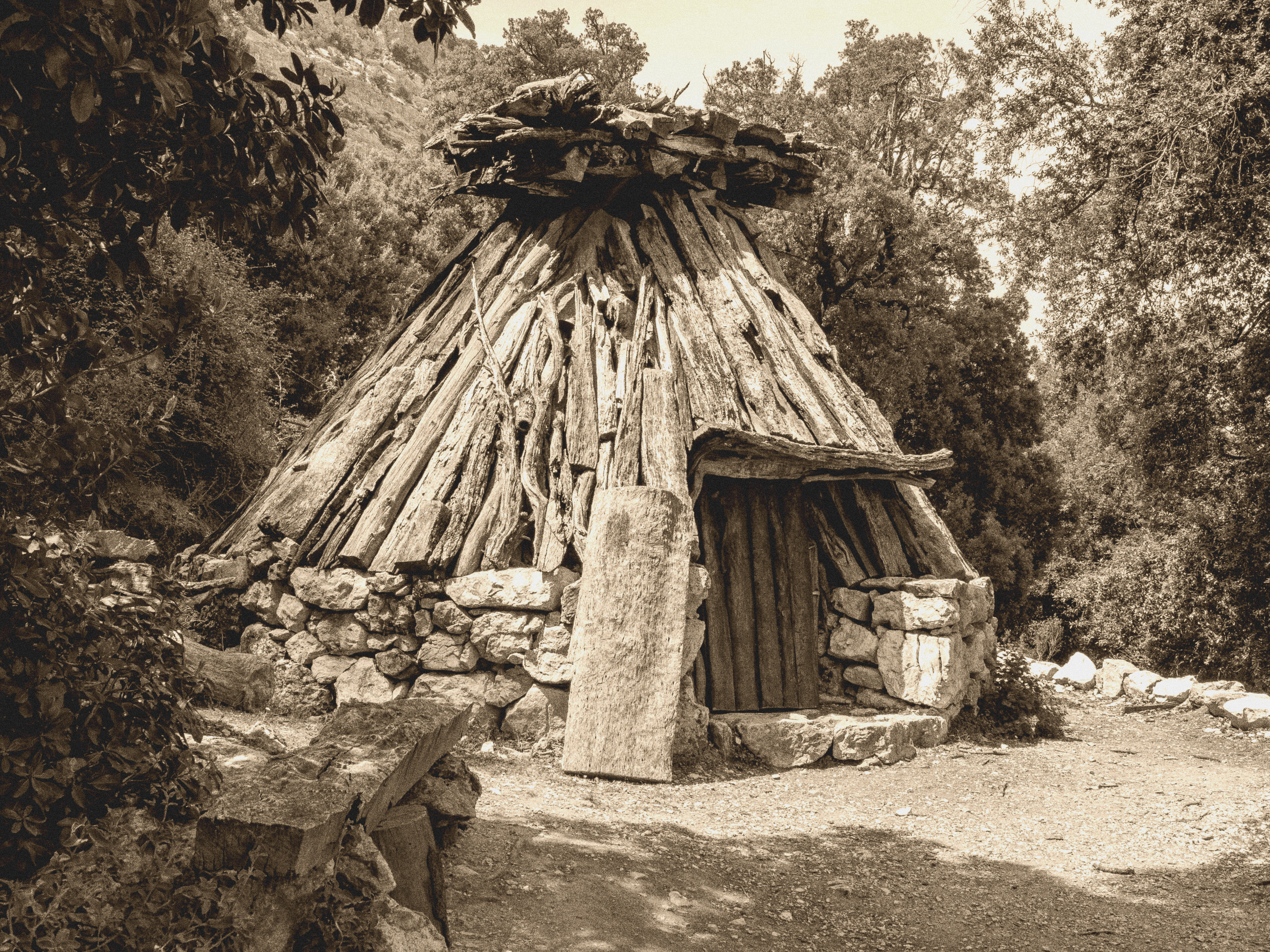
Mastering Shelter & Body Heat Control
The Truth About Exposure
You can last weeks without food, days without water, but only a few hours without protection from the elements. Exposure is the silent killer in survival, it doesn’t roar like hunger or thirst, it creeps in quietly. Hypothermia and heatstroke are opposite ends of the same threat: losing control of your core temperature. Shelter isn’t about comfort. It’s about survival time.
Understanding Heat Loss and Gain
The human body fights to stay near 37°C (98.6°F). Anything that tips that balance becomes dangerous fast. There are five main ways you lose heat: radiation, conduction, convection, evaporation, and respiration. You can stop all five with the right materials and awareness:
- Insulation: Trap still air: leaves, pine needles, moss, even dry clothing layers.
- Ground Barriers: The earth steals heat; always put something between you and it.
- Wind Shields: Build barriers with branches, debris, or tarps. Wind kills faster than cold itself.
- Moisture Control: Wet equals dead. Stay dry, even if it means skipping travel.
Improvised Shelter in the Field
Every terrain has its tools. The trick is reading the land and using what’s already there.
- Temperate Forest: A-frame debris hut or lean-to with a reflective fire wall.
- Desert: Dig shallow pits or use rock overhangs to escape sun and wind.
- Arctic or Snowy Regions: Snow caves and trenches trap body heat naturally.
- Tropical: Elevate yourself above ground to avoid insects and moisture.
Always build for function, not form. The most beautiful shelter is worthless if it doesn’t block wind, rain, or heat loss.
Fire as a Heat Multiplier
Fire extends the limits of your shelter. A small flame positioned correctly, reflected, contained, and shielded, can turn a crude structure into a life-saving cocoon. Use natural reflectors like stone walls or foil blankets to redirect warmth. Remember, fire is a tool, never the only plan.
Body Heat Retention Techniques
Sometimes you don’t have shelter or flame. Then your body becomes both.
- Curl into a compact posture to minimize surface exposure.
- Share body heat in pairs – back to back or side by side.
- Use clothing layers intelligently: tight base layer, loose insulation, windproof outer shell.
- Move only when necessary to prevent sweat and heat loss.
Every calorie burned creates heat; waste none.
Final Thoughts
Shelter isn’t just a structure, it’s a strategy. Whether you’re braving subzero winds or desert heat, your survival depends on mastering one thing: control of your own temperature. You can’t fight nature head-on, but you can outthink it. Build smart, stay dry, and remember, warmth isn’t luxury, it’s life.
Ready to build smarter, survive longer?
Explore the Beyond The Fall Survival Guide and exclusive field gear at our store. -
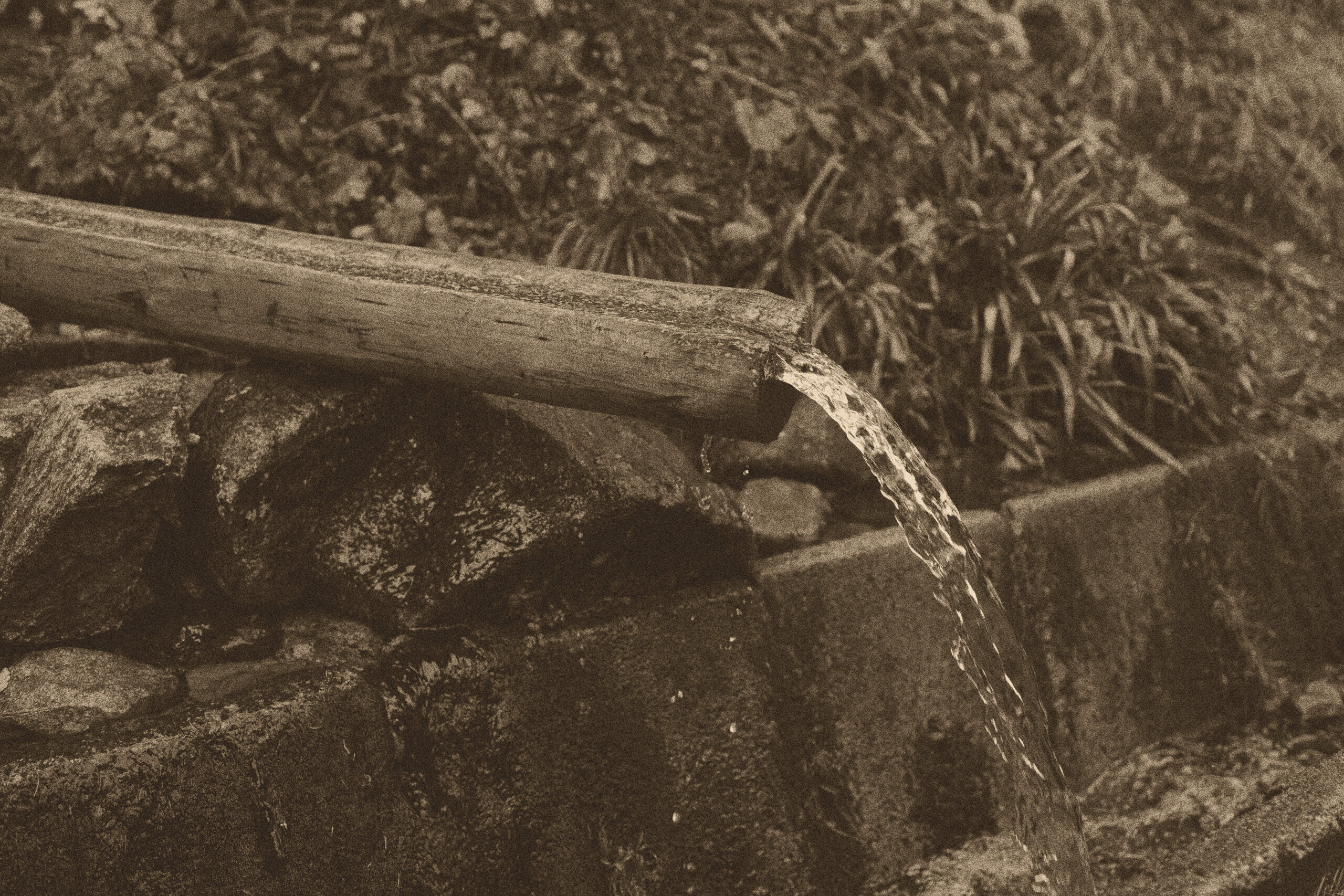
Water Security
The Core Reality
No resource is more deceptive than water. It’s everywhere until it isn’t , and when it’s gone, you have less than three days before your body begins to fail. In every crisis, clean water separates those who endure from those who vanish. The key isn’t just finding it, it’s protecting it from scarcity, contamination, and neglect.
Field Survival: Finding and Purifying
In the wild, clarity means nothing. Clear water can still carry parasites, bacteria, and heavy metals. Always assume contamination until proven otherwise.
- Boiling: The gold standard. Bring water to a rolling boil for at least 1 minute (3 at altitude).
- Filtration: Use fine cloth, sand, charcoal, or portable filters to remove sediment.
- Purification Tablets: Iodine and chlorine dioxide are compact and reliable when used correctly.
- Solar Disinfection (SODIS): Clear PET bottles, 6 hours in full sunlight, can neutralize most pathogens.
Learn to identify natural indicators, animal tracks, insect clusters, and green vegetation often lead to sources. Avoid stagnant pools or water near industrial runoff and decaying matter.
Off-Grid & Homestead Water Systems
When the world still works, prepare for when it doesn’t.
- Rainwater Harvesting: Gutters and food-grade barrels are a start; add a first-flush diverter and sediment filter.
- Storage: Use BPA-free containers in cool, dark areas. Rotate every 6 months.
- Filtration Systems: Gravity-fed ceramic or carbon filters like Berkey or Sawyer last years if maintained.
- Disinfection: Store plain, unscented bleach (4–6% sodium hypochlorite). 2 drops per liter purifies clear water.
Every off-grid setup should include redundancy: one source, one storage method, and one purification backup.
Water Discipline
Conservation is survival math.
- Drink consciously – small sips, not gulps.
- Limit exertion during peak heat.
- Reuse gray water for cleaning or gardening.
- Keep collection gear and purification tools pre-packed and accessible.
In long-term scenarios, control of water means control of life, it’s both your defense and your leverage.
Final Thoughts
Survival begins with mindset, but endurance depends on water. Find it, store it, and safeguard it like your next heartbeat. Everything else: food, fire, shelter, relies on it. When the world runs dry, the survivor isn’t the strongest one left. It’s the one who planned ahead.
Ready to secure your most vital resource?
Explore the Beyond The Fall Survival Guide and exclusive field gear at our store. -
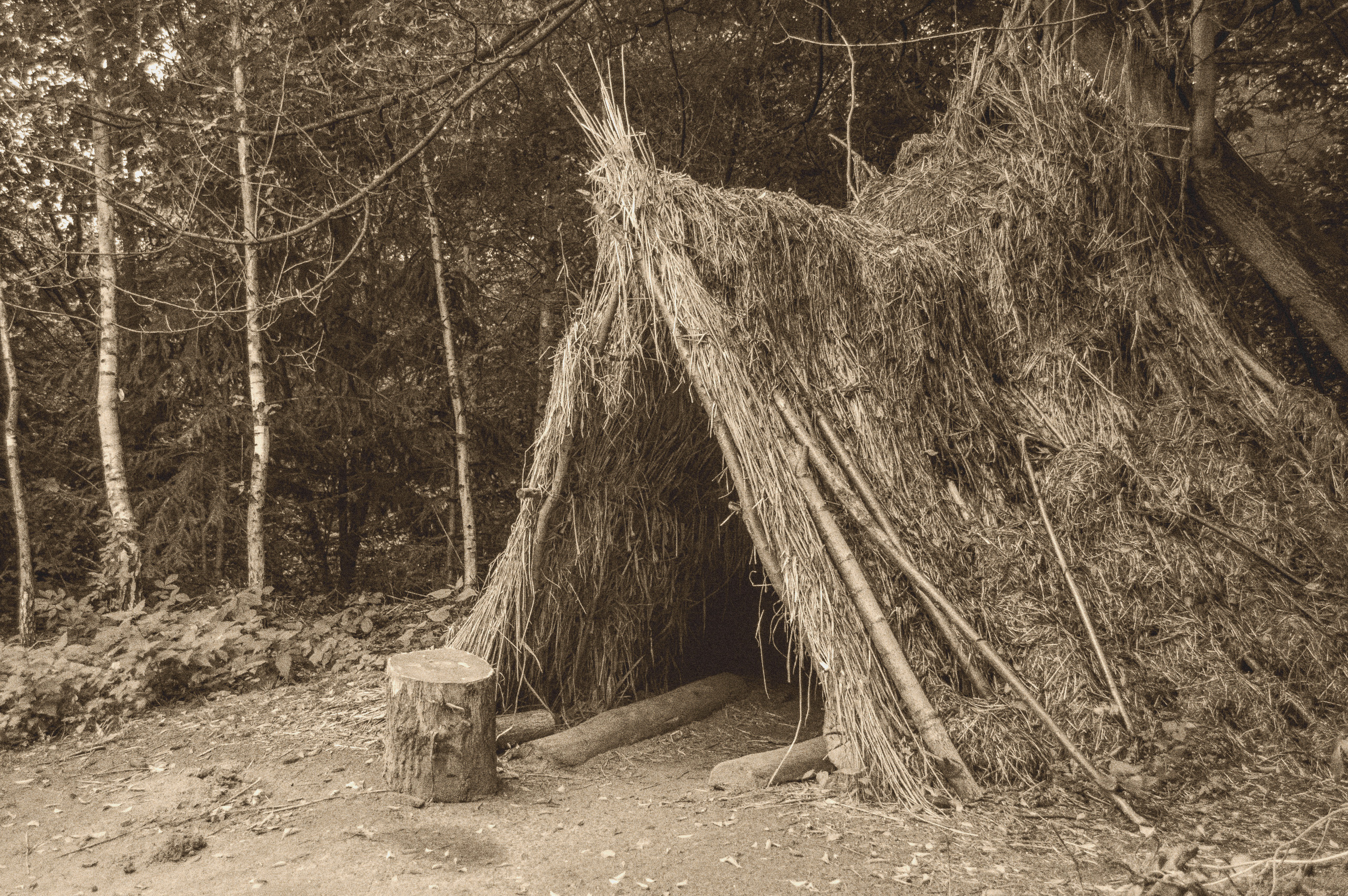
Survival Fundamentals: The Rule of Threes
In crisis, sequence is everything.
When everything falls apart, the Rule of Threes is what keeps you alive. It’s not a cliché or a catchy saying, it’s a survival law written in human biology. You can go three minutes without air, three hours without shelter in extreme conditions, three days without water, and three weeks without food. Every decision in the field stems from that hierarchy.
The First Rule: Air & Calm
The first fight isn’t for oxygen, it’s against panic. Once adrenaline spikes, fine motor control collapses and decision-making goes out the window. That’s why “three minutes without air” also means three minutes before panic kills judgment. Control your breathing. Slow your mind. The survivor who stays calm wins time.
The Second Rule: Shelter
Exposure kills faster than thirst or hunger. Wind, wet clothing, or dropping temperatures can put you in hypothermia before sunset. Shelter doesn’t always mean building a hut, sometimes it’s finding natural cover, using a reflective blanket, or just staying dry. Prioritize insulation, not architecture. In the wild, comfort is a liability; protection is the priority.
The Third Rule: Water
Dehydration wrecks the body fast. Fatigue, confusion, and muscle failure follow within hours. Finding, purifying, and conserving water is the skill that separates survivors from victims. Boil what you can, filter what you can’t, and never trust still water without treatment. Rivers lie, and so do clear streams.
The Fourth Rule: Food
People obsess over food, but it’s the least urgent problem. You can live weeks without it, though not without energy. Foraging, trapping, and fishing matter only when the first three are secure. When calories become the focus too soon, judgment fades, and mistakes compound.
How to Apply the Rule in Real Situations
The Rule of Threes isn’t about memorizing numbers; it’s about triage. It trains you to focus on what matters right now. If you’re lost in the desert, shade and water outrank everything. In the mountains, dry shelter comes first. The conditions decide the order, your awareness decides the outcome.
Final Thoughts
Survival isn’t luck. It’s hierarchy, discipline, and timing. The Rule of Threes exists because it’s been proven by every person who ever lived long enough to tell their story. Learn it. Respect it. Apply it, and you’ll think like a survivor, not a victim.
Ready to take survival beyond theory?
Explore the Beyond The Fall Survival Guide and exclusive field gear at our store.